Steering Board 2026
The HPCSIM 2026 steering board represents a distinguished assembly of international experts dedicated to advancing the intersection of large-scale computing and complex system simulation.
The steering board’s primary role is to guide the strategic direction of the workshop, ensuring that the invited speakers addresses the most pressing challenges in the field from exascale application development to the integration of AI and quantum computing into simulation workflows.
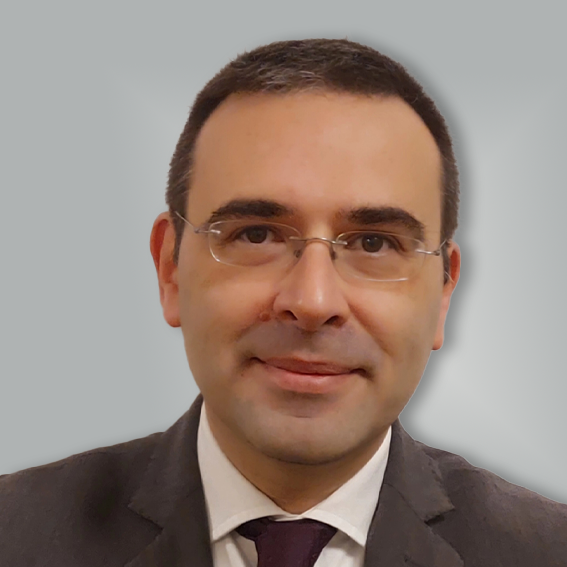
Giovanni Scrofani
ENI
Aerospace Engineer with a PhD in Numerical Mathematics.
At Eni SpA since 2007, leading multiple projects on HPC‑driven numerical geosciences software, simulations, and advanced workflow development.

Eric Pascolo
CINECA
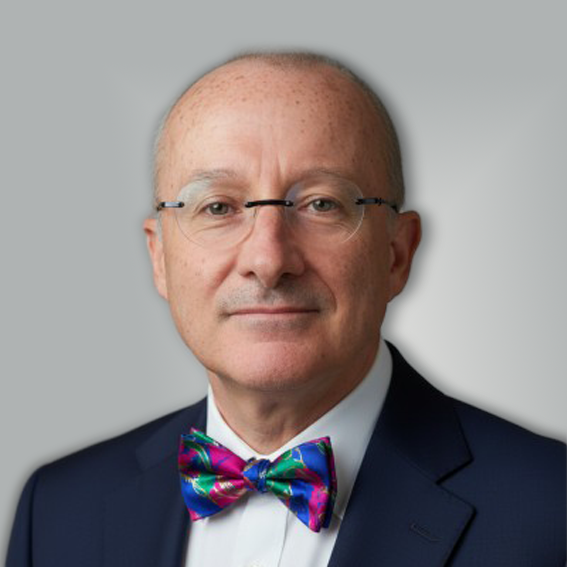
Claudio Arlandini
CINECA
Received a PhD in Nuclear Astrophysics at the Heidelberg University. More than twenty years of experience driving innovation through AI, High Performance Computing (HPC) and Big Data technologies. His career spans across both academia and industry, with significant experience in managing R&D projects supported by EU and national funding agencies.
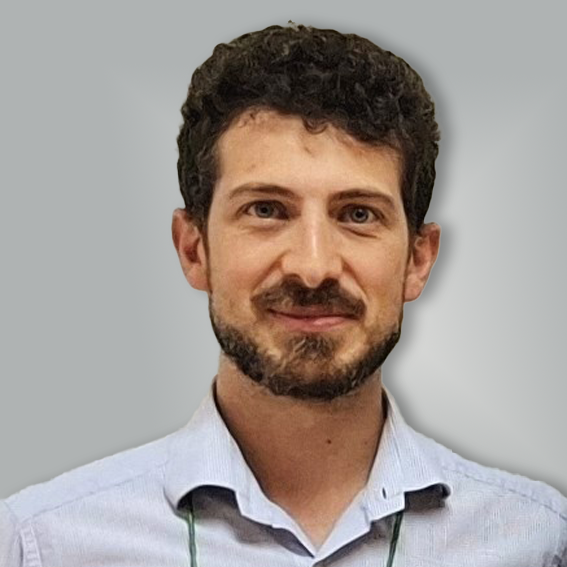
Ivan Fumagalli
Politecnico di Milano
Assistant Professor at the Department of Mathematics of Politecnico di Milano and a member of the MOX Laboratory. He is SIMAI's representative in the ECCOMAS Young Investigator Committee. His research focuses on developing advanced numerical methods — including immersed and polytopal methods — for multi-physics and moving-geometry problems in life sciences. His work primarily advances computational fluid dynamics and fluid-structure interaction for high-fidelity cardiac and brain modeling.
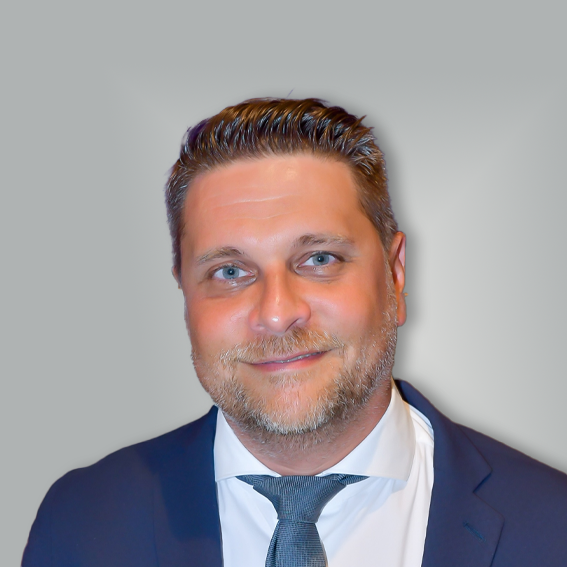
Gianluigi Rozza
SISSA
Professor in numerical analysis at SISSA Trieste and SISSA mathLab director.
Expert in reduced order modelling with special interest in computational fluid dynamics.
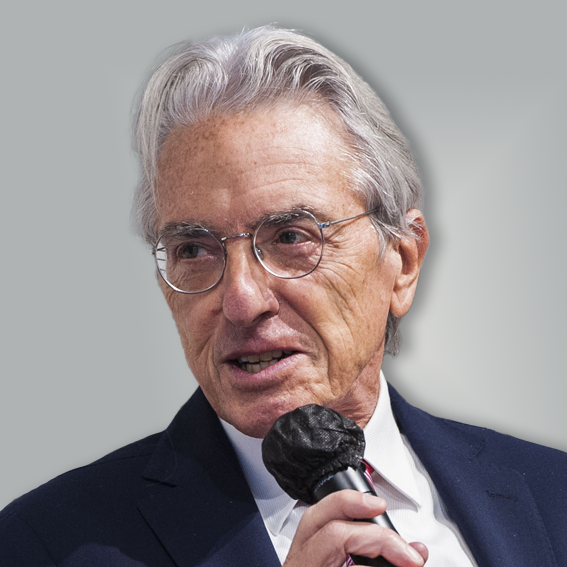
Stefano Odorizzi
Stefano Odorizzi is a prominent figure in the field of numerical simulation, widely recognized as the Founder and long-time CEO of EnginSoft, one of Europe's leading engineering simulation consultancies.
With a background as a Professor of Structural Mechanics at the University of Padua, he has spent decades bridging the gap between academic research and industrial application in Computer-Aided Engineering (CAE).